

A water softener system should match measured hardness. Check water demand and the allowed settings too. SimplySoft has the lower stated grain size here. The AFW and DuraWater kits use a Fleck valve format. These salt-based choices need a sizing plan, brine service and a suitable drain route.
#1. Aquasana SimplySoft 40,000: Smaller stated capacity

Aquasana SimplySoft 40,000Aquasana SimplySoft 40,000
Our verdict:
Smaller nominal capacity
A measured household load suited to the exact capacity and flow data.
View on Amazon- Salt-based softener
- 40,000-grain nominal model
Keep in mind: Nominal grains do not establish usable capacity at your salt setting.
SimplySoft 40,000 is the lower stated grain model in this set. It is a salt-based softener, so the review concerns hardness removal through a resin and brine process. Keep it distinct from Aquasana salt-free products. Those lines do not give the same result.
Assess it from the home load and the exact manual. A smaller stated size can fit the task. A larger one can still be wrong.
Ask for the basis of the planned settings. Ask for usable capacity at the planned salt dose. Check feed limits too. Get the needed flow data before choosing.
SimplySoft is worth a closer look when its working capacity fits your measured load. Before choosing it, map out salt access and the drain route. Ask what the installer will leave in the service record. Use the detailed best water softener comparison to examine the kit after you have set the treatment goal.
#2. AFW Fleck 5600SXT 48K: Metered resin kit

AFW Fleck 5600SXT 48KAFW Fleck 5600SXT 48K
Our verdict:
Metered resin package
Buyers who want a documented package built around this controller.
View on Amazon- Fleck 5600SXT controller
- 48,000-grain nominal model
- Checked kit uses 10% crosslink resin
Keep in mind: Verify the seller's complete kit; the valve name alone is insufficient.
Before moving from this guide to a kit choice, write down the hardness result and daily treated-water use. Add the reserve and planned salt dose to that sheet. These inputs give the installer a basis for the settings. If a quote skips them, ask for the missing sizing basis before comparing the total with another supplier.
For AFW, compare the complete package in the current listing. The Fleck 5600SXT name tells you which valve manual to read. It does not tell you what every seller ships. Find out who confirms the resin option and who records the settings. Keep those answers with the order so the installer has the full kit details.
The trade-off to resolve is what each kit actually ships with. Ask for the resin, valve and tank details in writing, along with the feed and service limits, and file them with the valve manual and installer settings.
A quote may name only Fleck. Ask for the rest of the system details. Then compare the full kit with the other picks.
#3. DuraWater Fleck 48K: Alternate complete kit
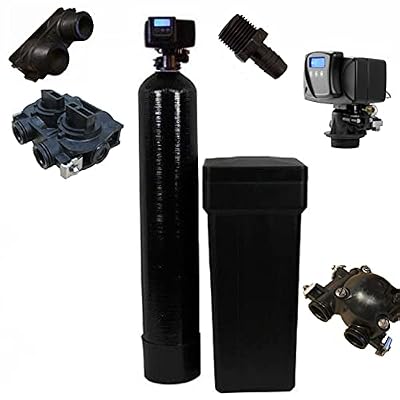
DuraWater Fleck 48KDuraWater Fleck 48K
Our verdict:
Alternate complete package
Buyers comparing a second seller's documented 48K package.
View on Amazon- Fleck 5600SXT controller
- 48,000-grain nominal model
Keep in mind: Match the exact DuraWater kit; do not substitute another specialty model.
Use DuraWater as a second quote for the same household task. Keep the raw-water report and required flow fixed while asking each seller to name the supplied parts. Compare the resin, tanks and bypass on the order sheet. This makes the kit differences visible without treating a shared valve family as proof that the two packages are equal.
For a useful comparison, ask both suppliers for usable capacity at the same proposed salt dose. Then compare the reserve and expected time between cleaning cycles. A stated 48K label alone cannot settle those choices. Route to the detailed kit comparison once you have those working values, rather than choosing from the largest number in a product name.
Check that the DuraWater quote is for the standard softener discussed here. If it names an iron-treatment package or other media, return to the water report and define that separate task. Ask how parts and service will be supplied after fitting. The next decision is which complete plan you can maintain, including salt delivery, drain access and room to reach the valve.
How We Picked These Water Softener Systems
We compared the exact US kits and current maker descriptions. The shortlist contains salt-based resin systems, rather than scale-only conditioners. We checked exact model names and valve details. We compared stated grain sizes. We also checked which purchase details need a written sizing basis.
We have not installed or tested these units. We make no claim that one stated grain figure fits every home of a stated size. The purpose is to narrow the kit review after the water and demand inputs are known.
Factors to consider for a water softener system
Define the result before choosing equipment
A salt-based softener and a salt-free conditioner answer different questions. A softener removes hardness through ion exchange. A conditioner may have a scale-control task while leaving hardness minerals in the water. Decide which result is needed before comparing purchase costs or the number of tanks. The USGS hardness guide explains the underlying hardness measure.
Do not treat the softener as a general answer to every water concern. A well report can show tasks that need separate check. A municipal source can also have an exact treatment goal beyond hardness.
Keep each needed result attached to its own evidence. Each stage has its own task. Do not transfer broad claims from another stage.
Start with a measured hardness value
Use a suitable current test result and preserve its units. A remembered description such as very hard does not give a sizing input. Keep the source and date, plus the sample location with the result. Check that the test reflects the current source. Resolve an old or mismatched result before setting the controls.
The sizing and hardness guide explains how to read the input. A supplier may add an allowance for another substance. Ask why.
Check it against the exact unit's allowed feed limits. Do not add guessed corrections to a calculator. A clear input record makes it easier to check why two installers have planned different settings.
Separate stated grains from operating capacity
The grain figure in a model name is useful for identifying the advertised size. It does not by itself show usable capacity at the planned salt dose. Ask for the needed capacity data and the setting used in the plan. Keep that setting with the reserve and recharge approach so the review has a common basis.
Compare the sizing worksheet with the written plan. A worksheet organizes the demand and hardness inputs. It does not replace the exact resin data. If a quote jumps from a head count straight to a tank size, ask to see the missing steps. The planned unit should have a reason beyond the largest label available.
Check the flow task separately
Capacity and peak demand are different checks. A large grain label does not prove service flow. Check that flow for the real installed setup. List the fixtures likely to run together and ask how the planned system handles that demand. Keep the expected pressure conditions and pipe arrangement in the same discussion.
Do not infer the home's flow need from a single faucet observation. Likewise, do not assume the softener's drain cycle and the home service demand are the same figure. Use the exact manual and an installer's check for the needed limits. The sizing guide is a place to organize the questions before equipment is ordered.
Compare the whole kit, not just the valve
The two Fleck-valve kits illustrate why a shared valve name is not a full product identity. The tanks and resin, plus connectors, plus the shipped accessories can depend on the exact seller and chosen option. Ask for the full kit list. Keep the order record with the manuals. Use them to name the parts for the next service call.
Use the same discipline for SimplySoft. Confirm the precise model and current contents rather than using another Aquasana product's photo or manual. The brand sells different treatment types. A review of one line cannot establish the scope of another. If a listing and a written plan disagree, resolve the chosen kit before comparing the price.
Make space for repeated service
A softener needs useful access to the control and bypass, plus the brine tank. Measure the room needed to open lids and reach service points, alongside the equipment footprint. Consider how bags reach the tank and where the allowed salt will be stored. A narrow setup can turn a routine refill into an awkward job.
Review the setup guide with the installer. The exact manual and local needs govern the drain and overflow, plus the connection details. Get a written scope so the equipment order and plumbing work refer to the same arrangement. A box containing the main unit does not by itself include every part of an installed job.
Use running costs on a consistent basis
Compare current equipment and setup quotes on its own. Then ask about the planned salt use, recharge water and routine service under the stated settings. Avoid comparing a bare equipment price with another supplier's installed quote. A useful cost record names the exact kit, working basis and included work.
The softener cost guide helps separate the categories. We do not publish a fixed price here because chosen options and setup scope change the review. A smaller first order may leave work outside the quote. A larger kit may include features that the measured task does not require. Ask what each line buys.
Keep the service record with the settings
Record the installed model, allowed salt, real control settings and changes made by the installer. Use the maintenance guide to organize the routine. The unit's manual owns the real steps and limits. A record is useful when demand or measured hardness changes and the setup needs review.
Salt choice belongs in that record too. The salt review separates pellet and crystal products, but the machine's allowed forms come first. Do not change salt or several control values to solve an undefined problem. Name the condition through the specified checks and preserve what changed.
More in this guide
Frequently asked questions
Is a bigger stated grain number always better?
No. Compare usable capacity at the planned salt setting, measured load and service flow. The stated label identifies a size, but it does not replace the working data. Ask for the reason behind the planned settings. A larger label alone cannot show that a kit is a better fit for the home or the space available.
Does a salt-free conditioner give the same result?
No. Hardness removal and scale conditioning are different goals. A salt-free product can leave hardness minerals in the water. Name the needed result before comparing those products with the salt-based systems here. A wish to avoid salt does not establish that a conditioner will meet a hardness-removal need.
Can I choose from the number of people alone?
Use head count as one demand clue, rather than a full sizing method. Measured hardness, real water use and peak flow matter too. Ask for a written capacity at the planned salt dose and reserve approach. Keep any assumptions visible so the plan can be reviewed if the home or water source changes.
Are all Fleck 5600SXT kits identical?
No. The valve name does not describe every tank and resin, plus fitting in a seller's kit. Compare the exact kit list and chosen options. Keep the seller's full system record with the valve manual. Similar product names are a reason to check details carefully before ordering, rather than a basis for treating the kits as a match for each other.
Verdict
Choose a water softener system from the measured task and the full installed plan. SimplySoft provides the smaller stated model in this set. AFW and DuraWater provide two valve-based kit reviews. Require usable capacity, flow checks, exact kit contents and a service plan before choosing. A familiar brand or large grain label cannot supply the missing sizing inputs.
Our picks in this topic
3 picks
3 Best Water Softener Choices in 2026
Compare SimplySoft 40,000 for its smaller nominal size, or AFW and DuraWater 48K kits. Require a written sizing basis, exact kit contents and practical brine service.

3 picks
3 Salt Free Water Softener Options in 2026
Compare AO-WH-DSCLR for simple scale control, Tier1 for TAC and Serene Lite for its prefilter package. These are conditioning choices. Use a salt-based assessment if you need hardness removal.

3 picks
3 Water Softener Salt Choices in 2026
Compare Morton for its pellet multi-pack, Bright & Soft for single-bag pellets or Solar Naturals for crystals. Use only a form permitted by your softener.